The Andromeda Bush: A Beautiful And Easytogrow Shrub
The Andromeda bush, also known as the lily-of-the-valley bush or Japanese pieris, is a beautiful and easy-to-grow shrub that can add a touch of elegance to any garden. It is native to East Asia, but is now grown in gardens all over the world.
Andromeda bushes are evergreen, which means they retain their leaves year-round. The leaves are dark green and glossy, and they often have a reddish tint in the spring. The flowers are white or pink, and they bloom in the spring. The flowers are small, but they are clustered together in large, showy displays.
Andromeda bushes are relatively low-maintenance plants. They prefer to grow in partial shade, but they can tolerate full sun in cooler climates. They need well-drained soil that is rich in organic matter. Andromeda bushes are not drought-tolerant, so they should be watered regularly during the summer months.
Andromeda bushes are relatively pest- and disease-resistant. However, they can be susceptible to scale insects and powdery mildew. If you notice any pests or diseases on your andromeda bush, you can treat them with insecticidal soap or fungicide.
Andromeda bushes are relatively slow-growing plants. They can reach a height of 3 to 8 feet, and a width of 3 to 10 feet. They can be pruned to maintain their size and shape.
Andromeda bushes are a beautiful and versatile addition to any garden. They can be used as a specimen plant, in a shrub border, or in a foundation planting. They are also deer-resistant, which makes them a good choice for gardens with deer problems.
Here are some additional tips for growing and caring for andromeda bushes:
- Plant andromeda bushes in the spring or fall.
- Amend the soil with compost before planting.
- Water andromeda bushes regularly, especially during the first year after planting.
- Fertilize andromeda bushes once a year in the spring with a balanced fertilizer.
- Prune andromeda bushes in the late winter or early spring to remove dead or damaged branches.
- Protect andromeda bushes from deer with fencing or netting.
With proper care, andromeda bushes can thrive for many years in your garden.
The andromeda bush is a beautiful evergreen shrub that is native to eastern Asia. It is known for its showy spring blooms, which can range in color from white to pink to red. The andromeda bush is also a popular choice for landscaping because it is shade tolerant and can thrive in a variety of soil conditions.
If you are interested in learning more about the andromeda bush, I recommend visiting the website Garden Wiki. This website has a wealth of information about the plant, including its history, cultivation, and care. You can also find photos and videos of the andromeda bush in bloom.
I hope this helps!
FAQ of andromeda bush
Here are the 5 most frequently asked questions about Andromeda bush, along with valuable insights and solutions:
- What is an Andromeda bush?
An Andromeda bush is a flowering plant in the heath family Ericaceae. It is native to northern parts of the Northern Hemisphere, and there are over 100 species of Andromeda. Andromeda bushes are known for their beautiful flowers, which can be white, pink, or purple. They are also relatively easy to care for, and they can make a beautiful addition to any garden.
- How big does an Andromeda bush get?
The size of an Andromeda bush can vary depending on the species. Some species, such as Andromeda polifolia, only grow to be a few inches tall, while others, such as Andromeda arborea, can grow up to 30 feet tall. The average Andromeda bush grows to be about 3-6 feet tall.
- Where does an Andromeda bush grow best?
Andromeda bushes prefer to grow in moist, acidic soil in full sun or partial shade. They are not tolerant of drought or alkaline soils. If you live in an area with hot summers, you may want to plant your Andromeda bush in a location that receives some afternoon shade.
- How do I care for an Andromeda bush?
Andromeda bushes are relatively easy to care for. They need to be watered regularly, especially during the first year after planting. They also benefit from being fertilized once a year in the spring. In the fall, you can add a layer of mulch around the base of the bush to help retain moisture and protect the roots from the cold.
- What are some common problems with Andromeda bushes?
The most common problems with Andromeda bushes are pests and diseases. Aphids, scale insects, and spider mites can all be a problem. Diseases such as leaf spot and rust can also occur. If you notice any problems with your Andromeda bush, it is important to treat them promptly to prevent the problem from spreading.
Image of andromeda bush
- Japanese Andromeda
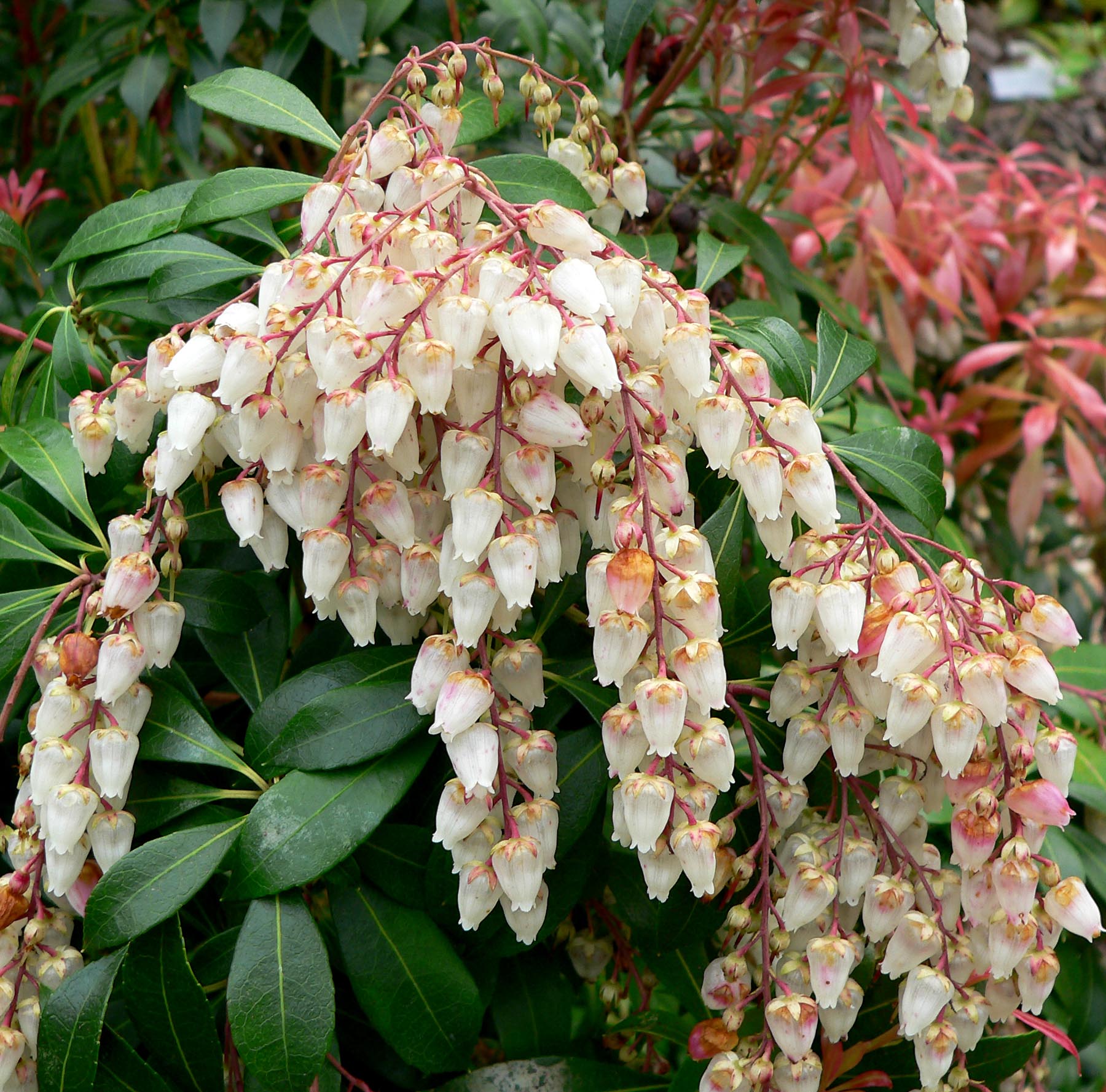
A popular type of andromeda bush, Japanese andromeda (Pieris japonica) is known for its white, bell-shaped flowers that bloom in spring. It can grow up to 6 feet tall and wide, and prefers partial shade to full sun.

- Pieris floribunda
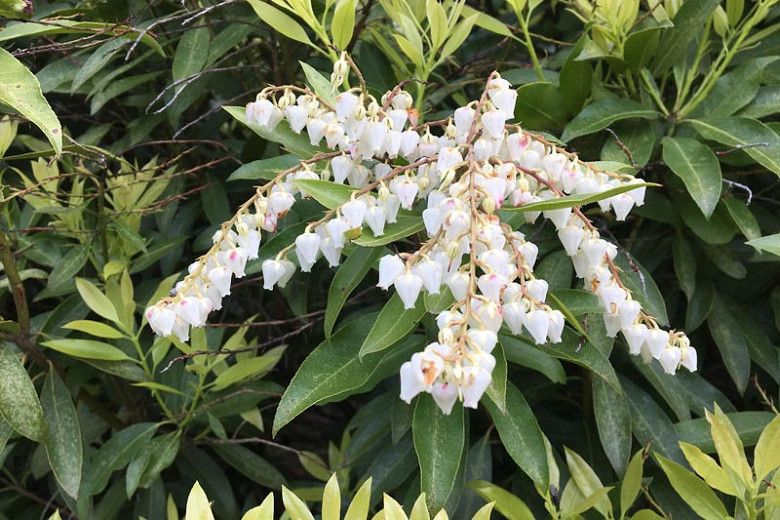
Another popular type of andromeda bush, Pieris floribunda is known for its pink and white flowers that bloom in spring. It can grow up to 10 feet tall and wide, and prefers partial shade to full sun.
- Pieris formosa
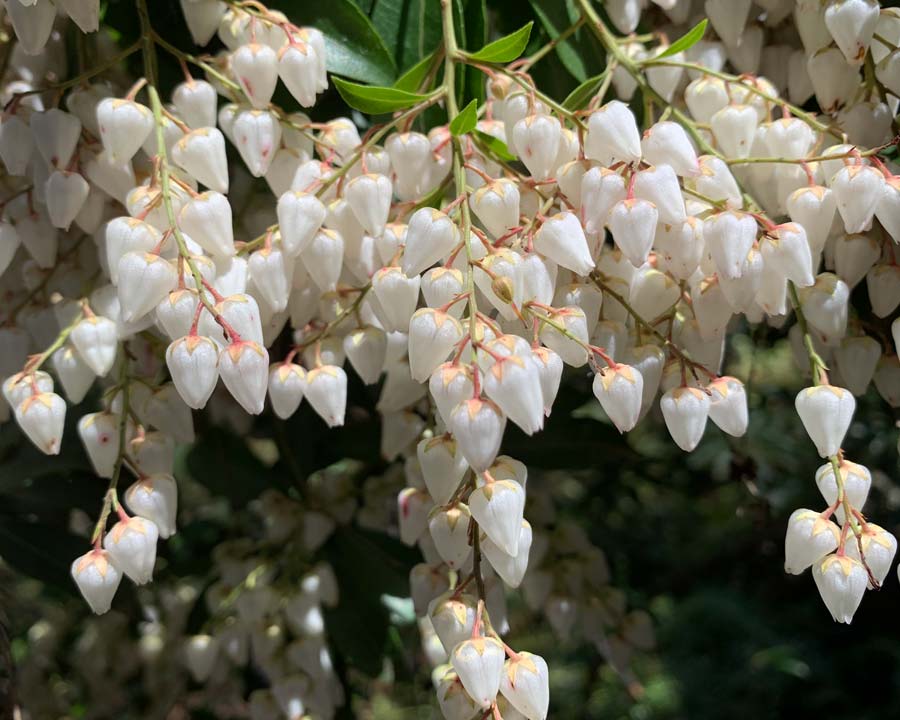
Pieris formosa is a smaller type of andromeda bush that grows up to 3 feet tall and wide. It has white flowers that bloom in spring, and prefers partial shade to full sun.
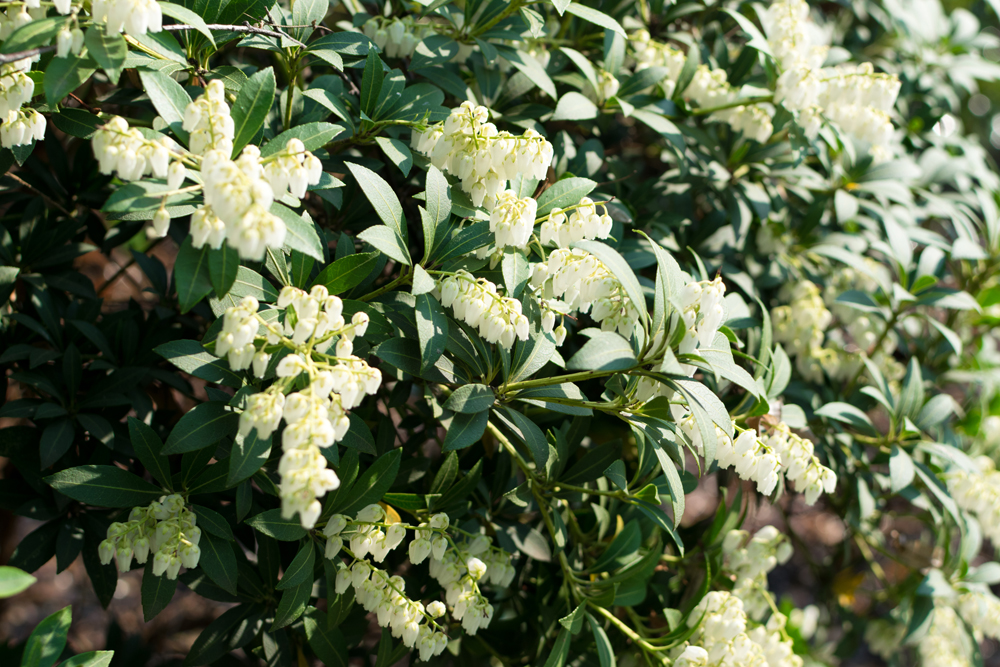
- Pieris japonica 'Forest Flame'
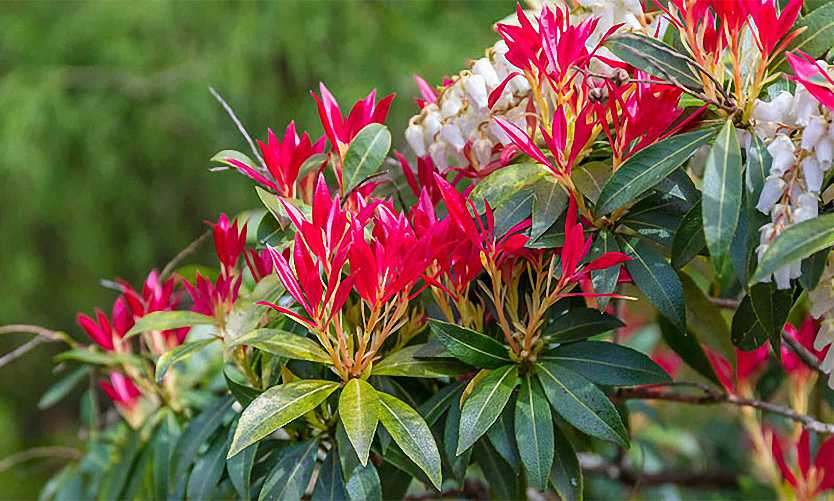
Pieris japonica 'Forest Flame' is a cultivar of Japanese andromeda that has striking orange-red foliage in spring. It grows up to 6 feet tall and wide, and prefers partial shade to full sun.

- Pieris japonica 'Variegata'

Pieris japonica 'Variegata' is a cultivar of Japanese andromeda that has white-edged leaves. It grows up to 6 feet tall and wide, and prefers partial shade to full sun.

Post a Comment for "The Andromeda Bush: A Beautiful And Easytogrow Shrub"